
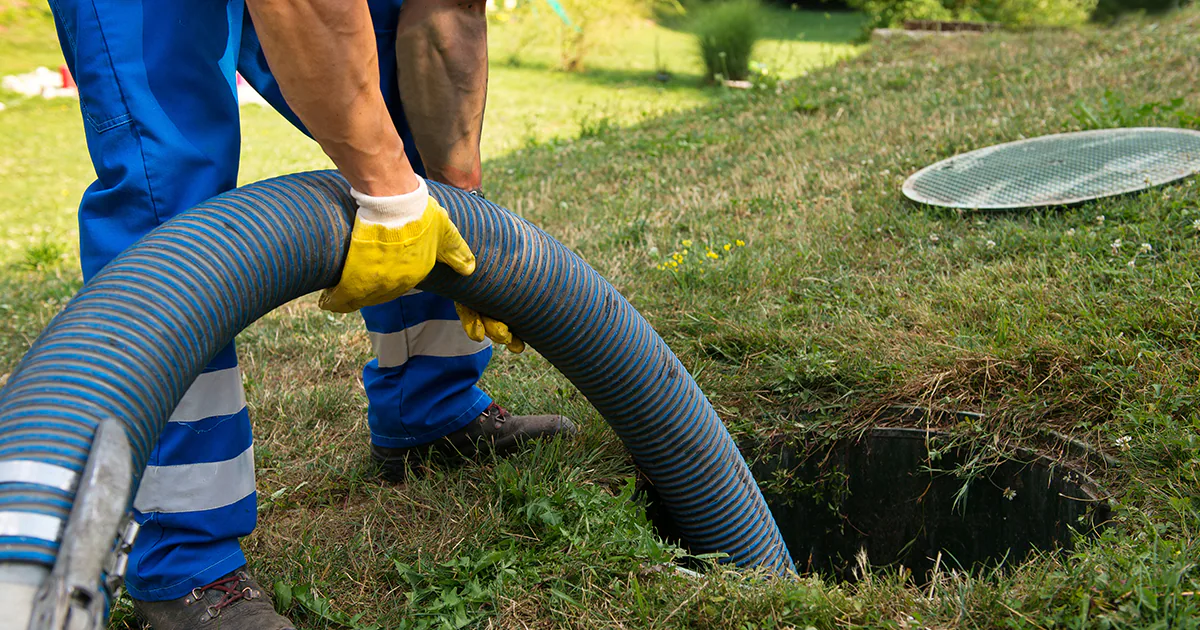
A healthy household waste system supports daily routines without stress. Many property owners ignore early care until warning signs appear. That delay raises repair costs fast. Proper planning keeps underground systems working smoothly for years. The septic pumping mackay services often stress regular care because waste buildup affects flow speed, soil safety household hygiene. Knowing correct timing reduces damage risks, protects soil strength, prevents foul smells keeps drainage steady. Smart planning also avoids sudden service calls during busy periods. This guide explains clear factors that decide service timing using simple guidance that fits normal homes without confusion or complex terms.
System size impact
Tank capacity plays a major role in deciding service timing. Smaller units fill faster due to limited holding space. Larger tanks manage waste longer before solids reach risky levels. Matching service intervals to tank size helps avoid blockages, slow drainage, surface seepage costly repairs later.
Household usage levels
Daily water use affects waste buildup. Homes with frequent laundry, long showers constant flushing create higher load pressure. Increased usage pushes solids faster into storage zones. Regular monitoring helps align service timing with actual living habits without guesswork.
Number of residents
More residents mean more waste entering the system each day. Each person adds organic matter, water, and paper material. Crowded homes usually need faster servicing cycles. Planning based on resident count prevents overflow issues, soil damage unpleasant indoor problems.
Waste type influence
What enters drains changes how quickly solids grow. Excess grease, paper wipes harsh cleaners disrupt the natural breakdown. Balanced waste supports better decomposition. Controlled disposal habits slow the buildup, allowing longer safe intervals between professional cleaning visits.
Tank age matters
Older systems often hold less effectively due to wear buildup and internal damage. Aging walls and baffles may fail to separate solids properly. These limits demand closer attention to earlier service schedules to prevent leaks, backups ground contamination.
Soil absorption rate
Ground conditions affect how liquids drain from tanks. Slow-absorbing soil holds moisture longer, raising pressure. Poor drainage requires shorter service cycles. Understanding soil behavior supports safer planning without relying on trial errors.
Record-keeping benefits
Service history helps predict future needs. Records show buildup rates, past issues, and component changes. Organized data supports smart timing choices, reduces uncertainty, and future planning stress.
Basic care reminders
Simple habits help extend safe intervals. Mindful use protects internal balance and supports natural breakdown processes.
- Limit grease disposal through sinks and toilets to reduce solid buildup pressure inside storage chambers over time
- Use water evenly across days to avoid sudden overload that strains the holding capacity of drainage paths
- Choose safe cleaners that support natural bacterial action within the system
- Fix leaks early to prevent constant water flow filling tanks too quickly
- Educate household members about proper waste disposal habits consistently
Reliable care depends on understanding use patterns, system limits environmental factors. Planning service around these points protects homes from disruption, costly repairs soil harm. Clear schedules guided by observation, professional input record tracking keep systems steady. The septic pumping mackay support fits best when timing matches real needs rather than guesses. Consistent planning ensures waste flow remains safe and predictable while property value hygiene stays protected long term.